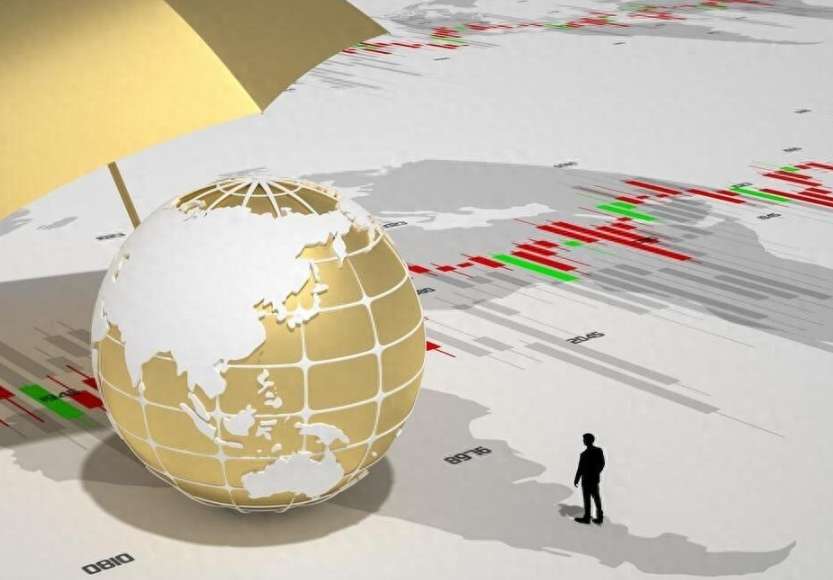
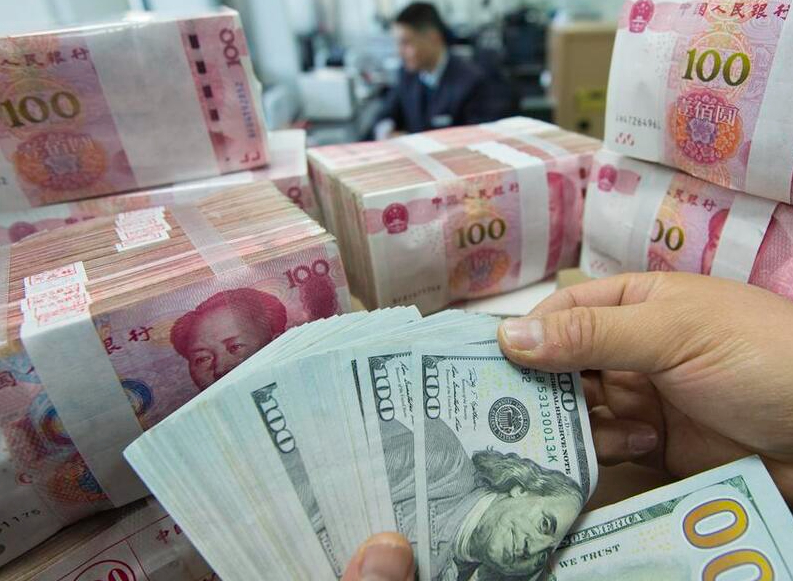
If you've been watching the forex markets or planning a trip to Europe, you've likely noticed a shift: the US dollar isn't buying as many euros as it did before. This isn't just a blip. The EUR/USD pair, the world's most traded currency duo, is moving because of a powerful cocktail of factors. It's not one single event but a convergence of monetary policy changes, shifting economic outlooks, and geopolitical recalibrations. Let's cut through the noise and look at what's really pushing the dollar lower against the euro.
What You’ll Find in This Guide
The Central Bank Tug-of-War: Fed vs. ECB
For years, the story was simple: the Federal Reserve was hiking rates aggressively to fight inflation, while the European Central Bank (ECB) was slower, more cautious. That created a massive interest rate differential that supercharged the dollar. Everyone wanted the higher yields available in USD.
That script has flipped.
The Fed has signaled its hiking cycle is over. Inflation in the US, while cooling, has proven stickier than many hoped, particularly in services. The Fed's current posture is "higher for longer" – they're talking about keeping rates elevated, but not necessarily raising them further. The market's focus has shifted from how high rates will go to how long they'll stay up there before cuts begin.
Across the Atlantic, the ECB faced an even nastier inflation spike, partly fueled by the energy crisis following the war in Ukraine. They started later but have been playing catch-up with determination. More critically, their communication in recent months has been decidedly more hawkish than the Fed's. ECB officials have been vocal about the need to remain vigilant and not declare victory too soon, even as their own inflation metrics fall.
This shift in expectations is palpable in the bond market. The gap between US and German 2-year government bond yields, a classic gauge of interest rate differentials, has narrowed significantly. When that gap shrinks, one of the major pillars supporting the dollar weakens.
Relative Economic Strength: A Changing Narrative
The "US economy is strong, Europe is weak" narrative dominated 2022 and early 2023. It was a key reason for dollar strength. But economies are dynamic, and perceptions are catching up to new data.
The US economy, while resilient, is showing signs of moderation. Consumer spending, the engine of US growth, is under pressure from dwindling pandemic savings and resuming student loan payments. The job market remains tight, but there are cracks in the foundation, with hiring cooling in some sectors. The Atlanta Fed's GDPNow forecast is a useful, frequently updated snapshot of current-quarter growth expectations, and it often reflects this evolving reality.
Conversely, the Eurozone has dodged the worst-case recession scenarios that were widely predicted. Germany, the industrial powerhouse, has navigated its energy crisis better than feared. While growth is anaemic, the data has consistently been "less bad" than forecasts. This resilience is a positive surprise for markets. In the currency world, beating low expectations can be as powerful as posting strong absolute numbers.
Think of it this way: if you expect a company to lose $10 per share and it only loses $2, the stock often rallies. The Eurozone economy is in a similar position. Its ability to withstand shocks has improved the euro's appeal as a stable, if not booming, currency bloc.
| Factor | Impact on USD (Previously) | Impact on USD (Now) | Impact on EUR (Now) |
|---|---|---|---|
| Monetary Policy Path | Strongly Positive (Aggressive Hiking) | Neutral to Negative (Pause, then Cuts) | Positive (Hawkish Hold) |
| Economic Growth Outlook | Strongly Positive (US Outperformance) | Neutral (Moderating US, Stable EU) | Positive (Exceeding Low Expectations) |
| Geopolitical Risk Sentiment | Strongly Positive (Safe-Haven Flows) | \nNeutral (Adaptation, Regionalization) | Neutral to Positive (Proximity Premium) |
| Energy Market Stability | Positive (US as Producer) | Neutral (New Norm Established) | Positive (Crisis Averted) |
Geopolitics and the "Safe-Haven" Trade
The dollar has long been the world's premier safe-haven currency. When global tensions rise – wars, financial crises, pandemics – investors flock to US Treasuries and the dollar. This dynamic was in full force after Russia invaded Ukraine.
But markets adapt. A prolonged crisis, while tragic, ceases to be a shocking new event and becomes part of the landscape. The initial panic buying of dollars in early 2022 has subsided. Europe has managed to reroute energy supplies, build up LNG infrastructure, and avoid a total economic collapse. This adaptation has reduced the incremental safe-haven demand for the dollar related to the European war.
Furthermore, some analysts argue that the very structure of global reserves is undergoing a slow, subtle shift. It's not a dramatic dump of dollars, but a gradual diversification by some national banks, a trend noted in reports from the International Monetary Fund (IMF) on currency composition of foreign exchange reserves. This isn't about the dollar collapsing – it's about the euro (and others) regaining a marginal share of the pie after a period of extreme dollar dominance.
The Snowball Effect: Technicals and Positioning
Fundamentals start the move, but market mechanics amplify it. For a long time, forex traders were overwhelmingly long USD and short EUR as a consensus trade. When the fundamental reasons for that trade begin to unwind, it triggers a rush for the exits.
This is called a "short squeeze" in the euro. As the euro starts to rise, those who bet against it are forced to buy it back to close their losing positions. This buying pushes the price even higher, attracting momentum traders and algorithmic systems. It becomes a self-reinforcing cycle for a period. You can see evidence of these extreme positioning levels in weekly reports from the Commodity Futures Trading Commission (CFTC).
What This Means for Your Wallet and Business
This isn't just abstract financial theory. A weaker dollar against the euro has real, tangible effects.
For American Travelers and Importers: Your vacation in Italy just got more expensive. Hotels, meals, and souvenirs priced in euros cost more dollars. Similarly, US companies importing goods from the Eurozone face higher costs, which can squeeze margins or lead to higher consumer prices.
For European Travelers and Exporters: The opposite is true. Europeans visiting the US find their euros go further. German carmakers or French winemakers selling to the US market become more competitive, as their products are effectively cheaper for American buyers.
For Investors: US investors holding European stocks get an automatic boost when those euro-denominated assets are converted back to dollars. Conversely, European investors in US assets see the dollar value of their holdings dip. It adds a complex currency layer to every cross-border investment decision.
I remember talking to a small business owner who imports specialty machinery from Germany. A few years ago, favorable rates were a nice bonus. Now, with the euro climbing, it's become a major line-item in his budget, forcing him to renegotiate contracts and hedge his currency exposure – something he never had to worry about before.
Your Burning Questions Answered
The drop in the dollar against the euro is a classic example of shifting macroeconomic tides. It's driven by a recalibration of central bank expectations, a reassessment of relative economic durability, and the market's endless process of discounting the future. While headlines might point to a single day's news, the trend is built on these deeper, interconnected pillars. Whether you're an investor, a business owner, or a traveler, understanding these forces doesn't just explain the past – it helps you make smarter decisions for what comes next.